What is the Cooling of Transformers? Types, Working, Methods & Formulas
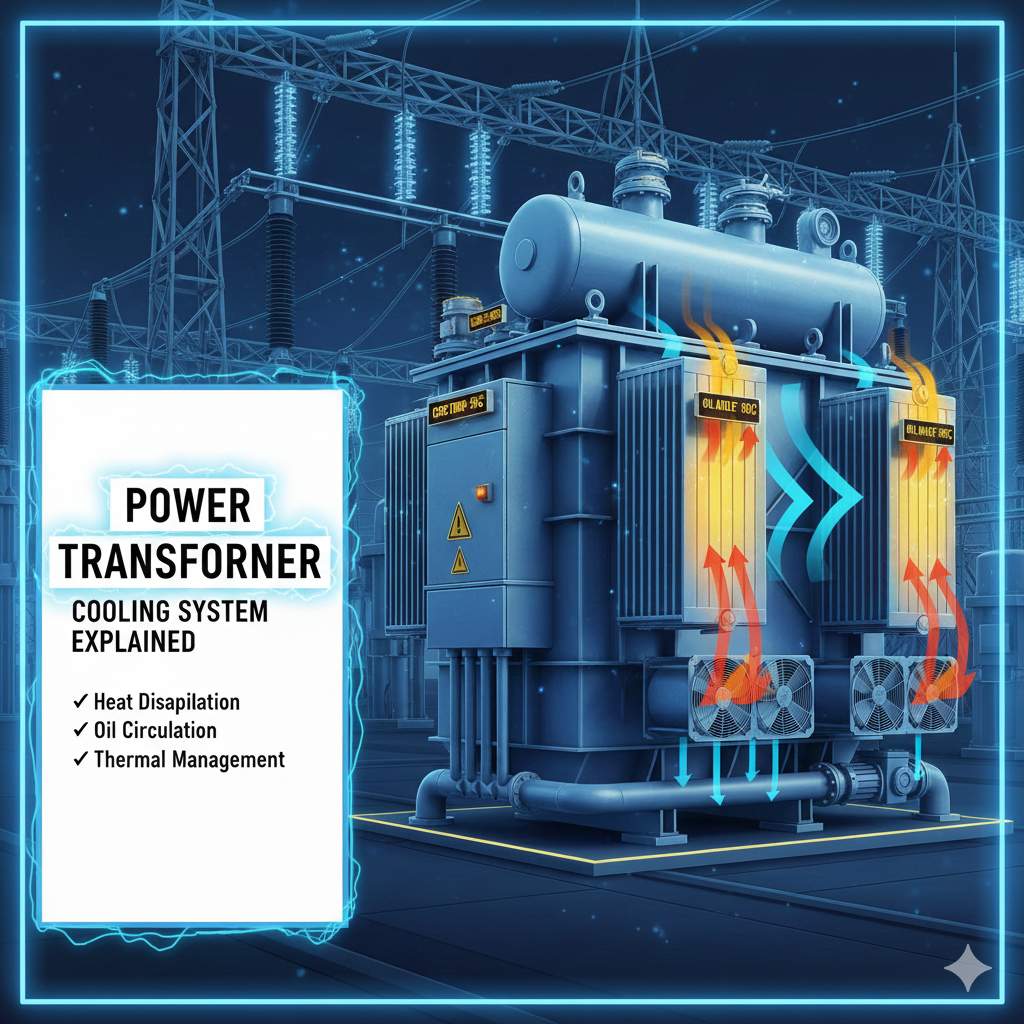
Cooling of Transformers

What is the Cooling of Transformers? Cooling of transformers is the process by which the heat generated in the transformer windings and core is safely removed to prevent overheating, insulation damage, and failure.This heat is mainly produced due to I²R losses, hysteresis losses, and eddy-current losses. Transformer Cooling Methods The main methods used to cool … Read more
Lightning Earthing vs Normal Earthing: Complete Information, Differences

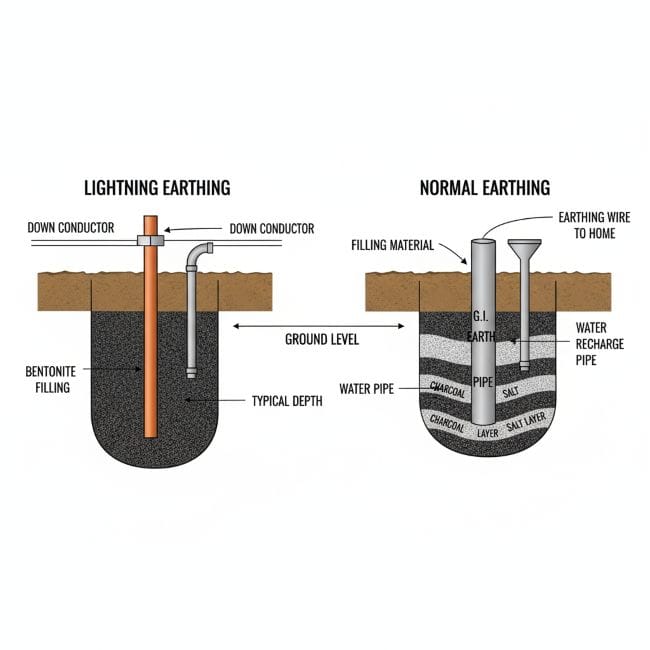
Lightning Earthing vs Normal Earthing comparison diagram with electrodes, materials, and depth.

Lightning Earthing vs Normal Earthing – Deep Practical Guide. Lightning Earthing and Normal Earthing differ mainly in the type of current they handle. Normal Earthing is used to discharge low-voltage fault currents using G.I./copper rods with charcoal–salt filling, while Lightning Earthing is specially designed to handle high-energy lightning surges using thick copper rods, bentonite compounds, … Read more

Earthing Pit Construction Step-by-Step – Pipe, Plate & Chemical Earthing Installation Guide

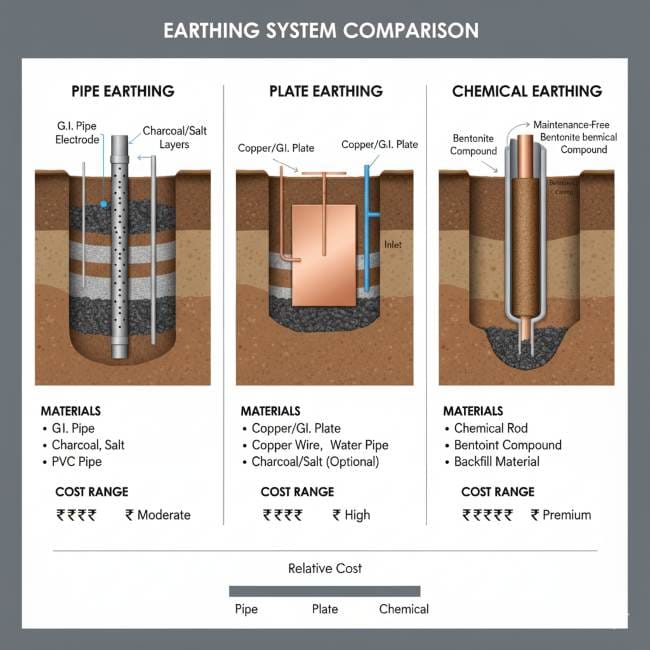
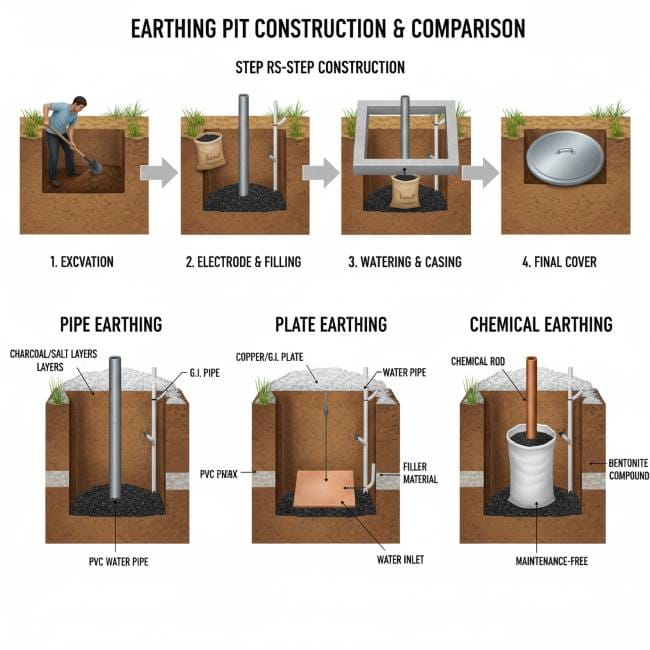
Infographic Showing Step-by-Step Earthing Pit Construction and Comparison of Pipe, Plate, and Chemical Earthing

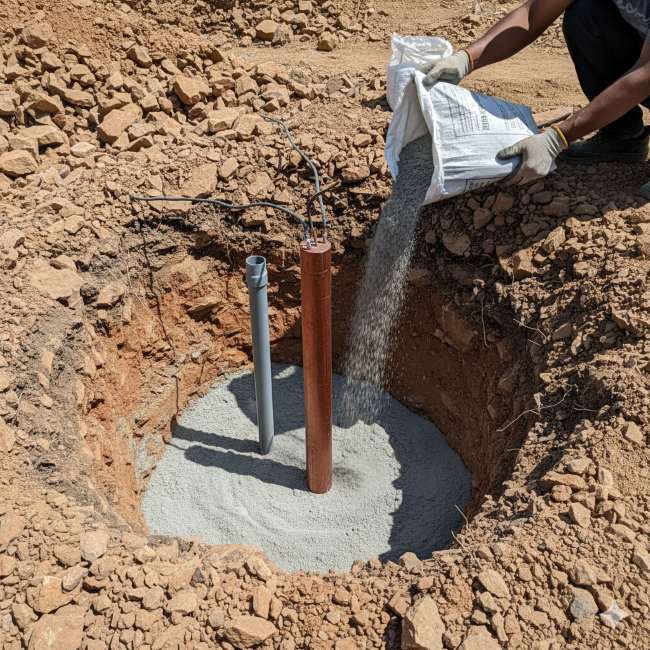
How to construct an earthing pit correctly, and which materials and techniques are most effective? Answer:The most important factors in earthing pit construction are: Introduction With correct construction and regular maintenance, you can ensure a low-resistance, long-lasting, and safe earthing system. Earthing systems play an extremely important role in electrical safety.A properly constructed earthing pit … Read more

Types of Energy and Forms of Energy: Meaning, Classification & Examples

Types of Energy and Forms of Energy:

Types of Energy and Forms of Energy are the different ways in which energy exists in nature and is used to perform work. Energy exists in various forms, including mechanical, Thermal, Chemical, Electrical, Nuclear, Light, Sound, and Magnetic Energy. Simple Meaning: Introduction Energy is the ā€œhidden powerā€ behind every civilization — the force that runs … Read more

Earthing Installation Cost – Pipe, Plate & Chemical Earthing Guide |

Earthing Installation Cost

What is the correct Earthing Installation Cost, and which method is the best? Answer:The cost of earthing depends directly on the type, material, soil condition, and depth. With proper installation, correct material selection, and periodic maintenance, you can build a low-resistance and long-lasting earthing system that protects against electric shocks and keeps your equipment safe. … Read more

How to Reduce Earthing Resistance: 10 Best Methods (Practical Guide)

How to Reduce Earthing Resistance

How to Reduce Earthing Resistance The most effective way to reduce earthing resistance is to increase soil conductivity, use high-quality backfill compounds (such as Bentonite/GEM), install larger and deeper electrodes, and connect multiple rods in parallel. Increasing moisture, using charcoal–salt layering, chemical earthing rods, selecting the right location, and ensuring corrosion-free, tight connections also help … Read more

What is earthing resistance: Meaning, Formula, Calculation & Practical Guide

What is earthing resistance

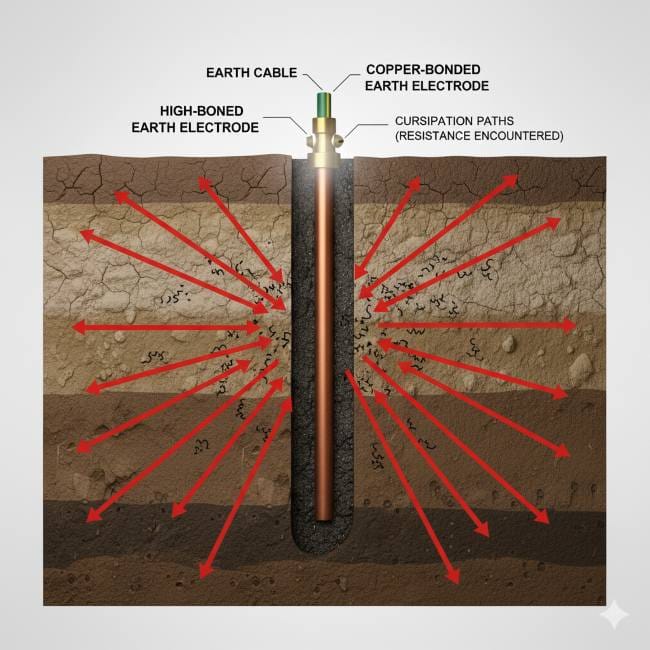
What Is Earthing Resistance? Earthing resistance is the opposition offered by an electrode while dissipating current into the ground. Its main formula is: R = ρ / 2Ļ€L (ln(4L/d) – 1). The ideal value for homes is 1–5 Ī©, and for industries, it is less than 1 Ω̣. Introduction Earthing resistance is one of the … Read more

GI Earthing vs Copper Earthing: Difference, Comparison, Pros & Best Choice

GI Earthing vs Copper Earthing.

GI Earthing vs Copper Earthing: The main difference is that GI earthing (Galvanized Iron) is a low-cost option but prone to corrosion with medium conductivity, while constant Copper earthing provides very high conductivity, long lifespan, and stable low resistance. GI earthing is ideal for homes and small loads, whereas Copper earthing is recommended for industries, … Read more

Pipe Earthing vs Plate Earthing: Best Earthing Method Explained with Real Facts

Pipe Earthing vs Plate Earthing

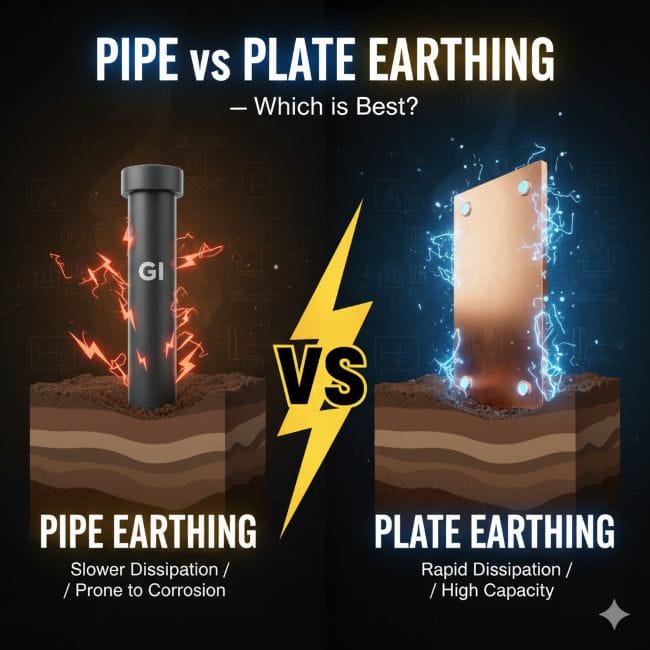
Pipe Earthing vs Plate Earthing: The main difference is that Pipe Earthing uses a vertical G.I. pipe and is low-cost, suitable for homes and small loads, while Plate Earthing uses a Copper or G.I. plate at a deeper depth, offering very low resistance and long life for heavy loads. Pipe earthing is ideal for domestic … Read more

Chemical Earthing vs Conventional Earthing – Practical Guide for Low-Resistance Systems

Chemical Earthing vs Conventional Earthing

The main difference between Chemical Earthing vs Conventional Earthing lies in soil treatment and resistance performance. In Conventional Earthing, a G.I. pipe or copper plate is installed at a depth of 2–3 meters with a charcoal–salt mixture, and it requires regular watering. Because of this, its resistance generally remains around 5–10 Ī©. In Chemical Earthing, … Read more