Compensating Winding: Advantages, Function & Working
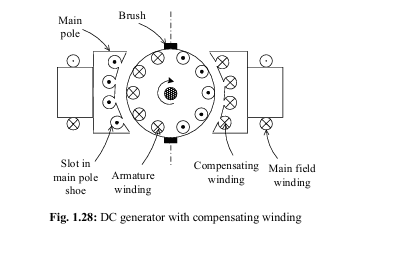
Compensating Winding

Compensating Winding When a motor or generator is working, the current inside the armature (the rotating part) keeps changing, especially when the load changes suddenly or becomes too heavy. These changes in current create something called a cross magnetizing effect, which means the magnetic field gets pushed to one side. Now imagine this — every … Read more
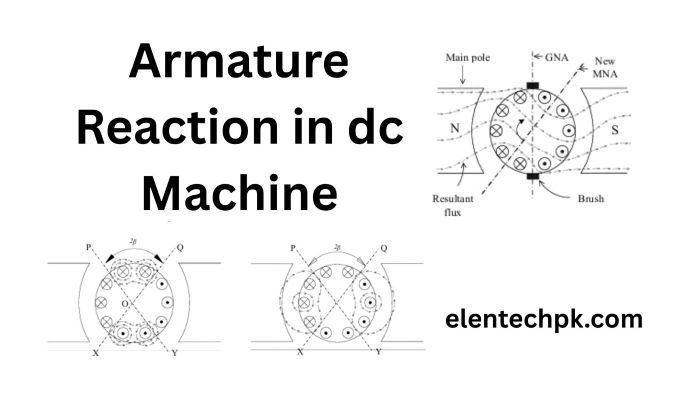
Armature Reaction in dc Machine: Effect, GNA, MNA, Brush Axis, EMF

Armature Reaction in dc Machine

Introduction Now, when the supply is given to the main winding, at that time magnetic field is produced. This magnetic field produces the magnetic flux. Similarly, when the current flows through the armature conductor, the armature produces its own flux. Now, the interaction of the armature flux with the main flux produces a certain reaction … Read more

Dc Generator: types, diagram, Losses, Efficiency, Applications

dc generator

What is a DC Generator? A DC Generator is a machine that makes electricity. But not just any electricity — it makes DC electricity, which means Direct Current. Let’s make it super easy to understand. Imagine you have a toy fan that runs on batteries. The batteries give it power in one single direction — … Read more

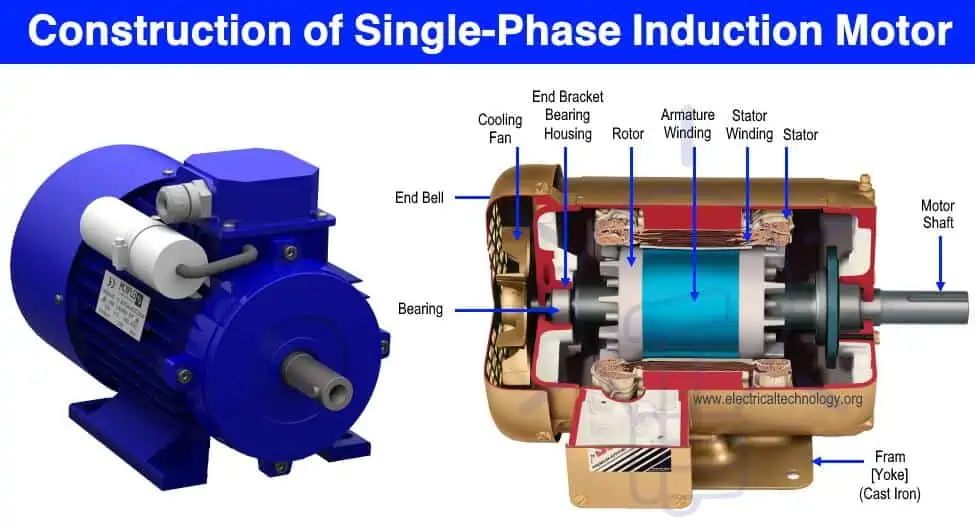
Single Phase Induction Motor

Single-Phase-Induction-Motor.

Introduction Single phase power system is widely used as compared to three phase system for domesticpurpose, commercial purpose and to some extent in industrial purpose. As the single phase system ismore economical and the power requirement in most of the houses, shops, offices are small, this can beeasily met by single phase motor. The single … Read more

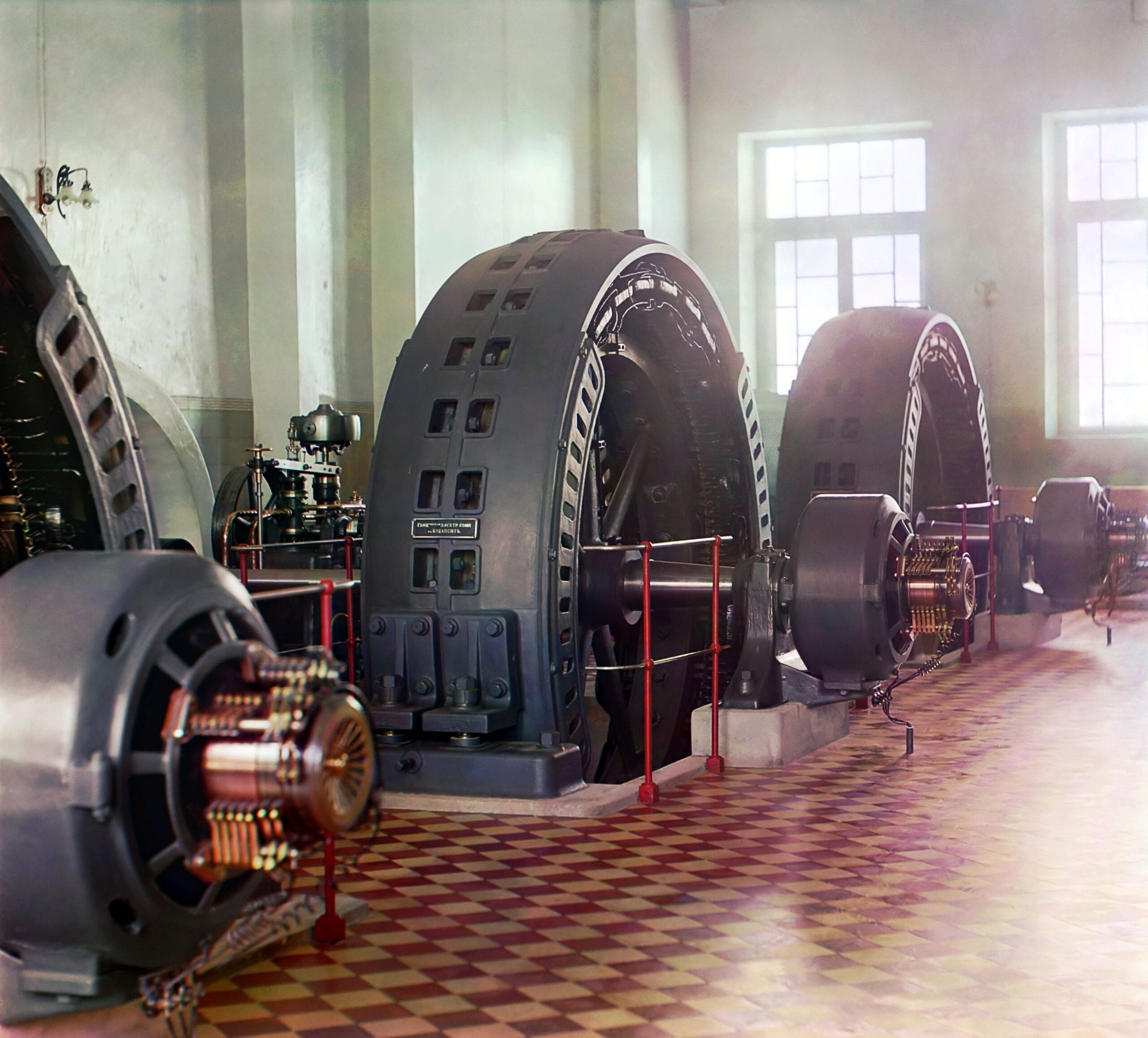
ALTERNATOR PRINCIPLES AND CONSTRUCTION

Alternator

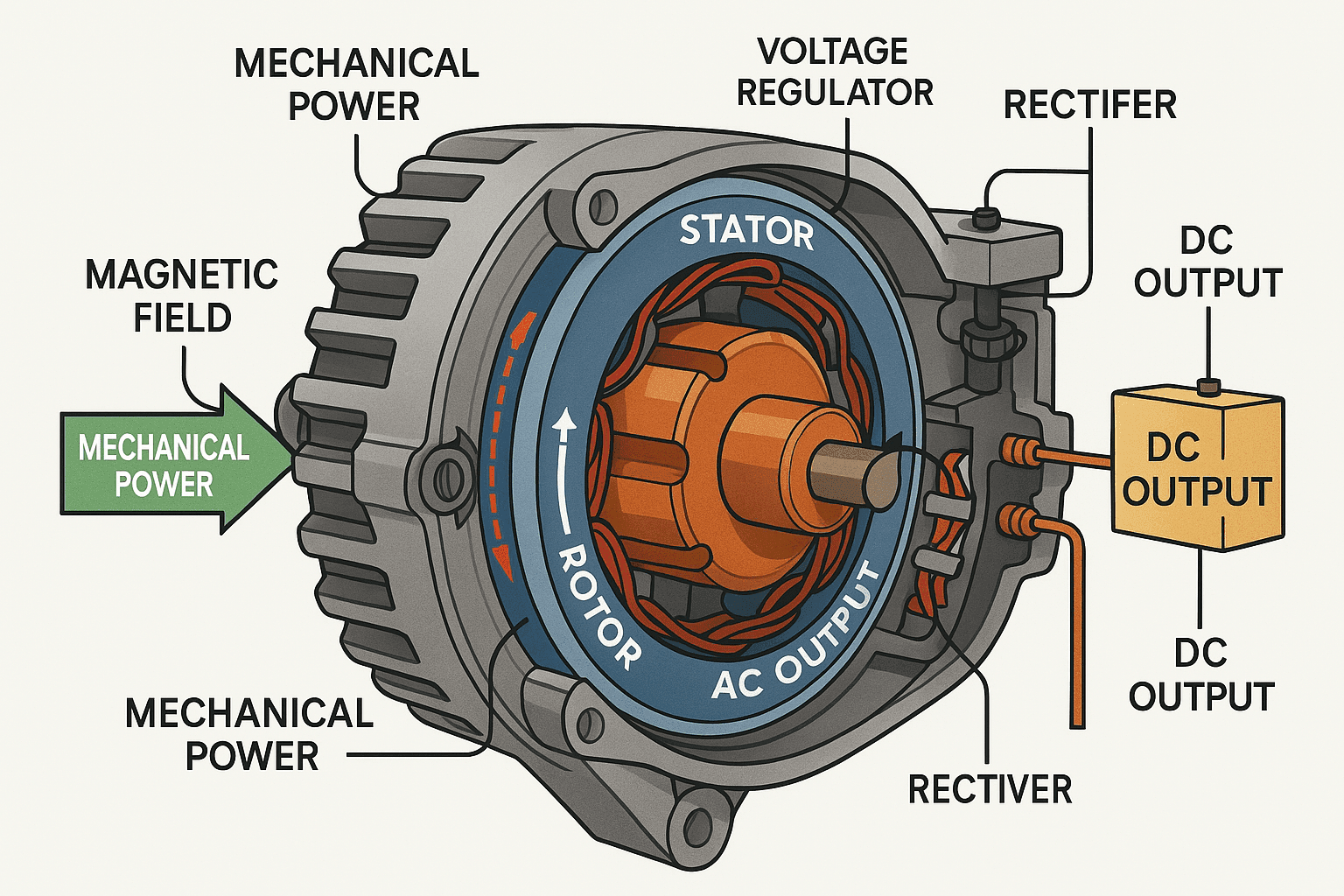
Basic Alternator Working Principle: WHAT IS ALTERNATOR? Alternating current generators are usually called alternators. They operate on the principle ofFaraday’s laws of electromagnetic induction. This law states that whenever a conductor cuts the magneticflux an emf is induced in it. This emf causes a current to flow if the circuit is closed. Fig 1.1 shows … Read more

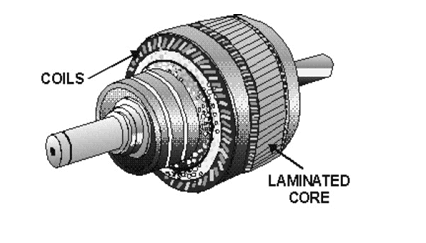
Three Phase Induction Motor: Types, Classification, Principle

THREE PHASE INDUCTION MOTORS

INTRODUCTION In the year 1821 British scientist Michael Faraday explained the conversion of electrical energyinto mechanical energy by placing a current carrying conductor in a magnetic field which resulted in therotation of the conductor due to torque produced by the mutual action of electrical current and magneticfield. Based on his principle the most primitive of … Read more