Circular Motion: Definition, Formulas, Types, Examples, Applications & Practice Problems
Circular Motion

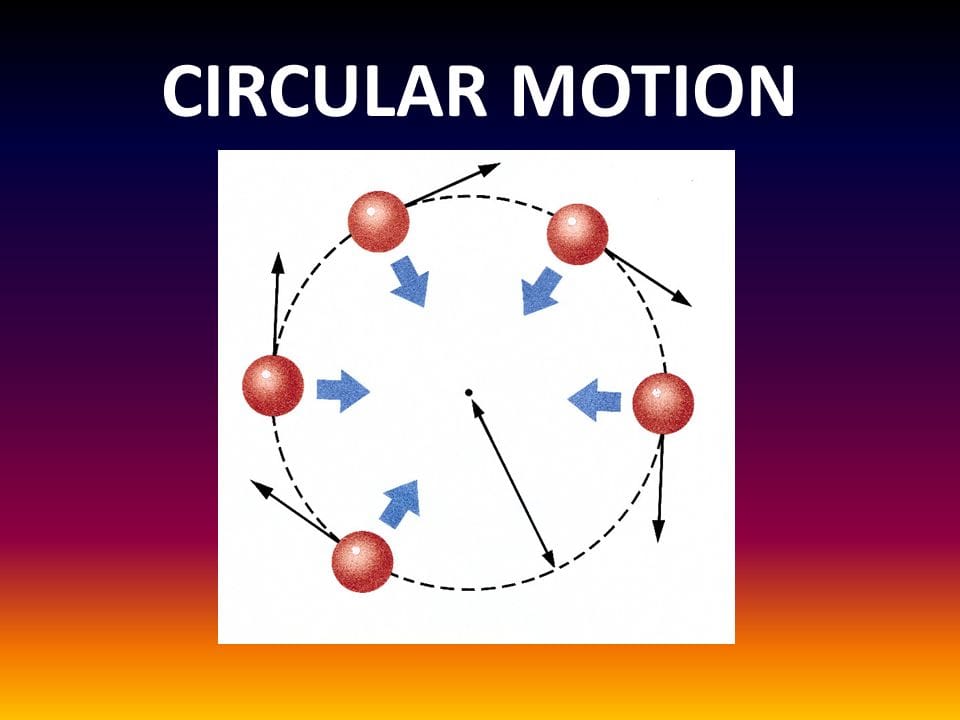
Circular motion is everywhere around us—the rotation of a ceiling fan, the spinning of a wheel, the moon orbiting the Earth, or the Earth revolving around the Sun.Understanding it is not only essential for students and engineers but also fascinating for anyone who wants to know how and why an object moves along a circular … Read more

Disadvantages and Advantages of Friction: useful important facts

Advantages of Friction

Introduction Friction is a force that tries to stop things from sliding or moving when they touch each other. It always works in the opposite direction of the push or pull that’s trying to move something. So, if you try to slide a box forward, friction pushes back. It only happens when two surfaces touch, … Read more

what is Non-Polarized Capacitors: Types, Working, useful important facts

Non-Polarized Capacitors

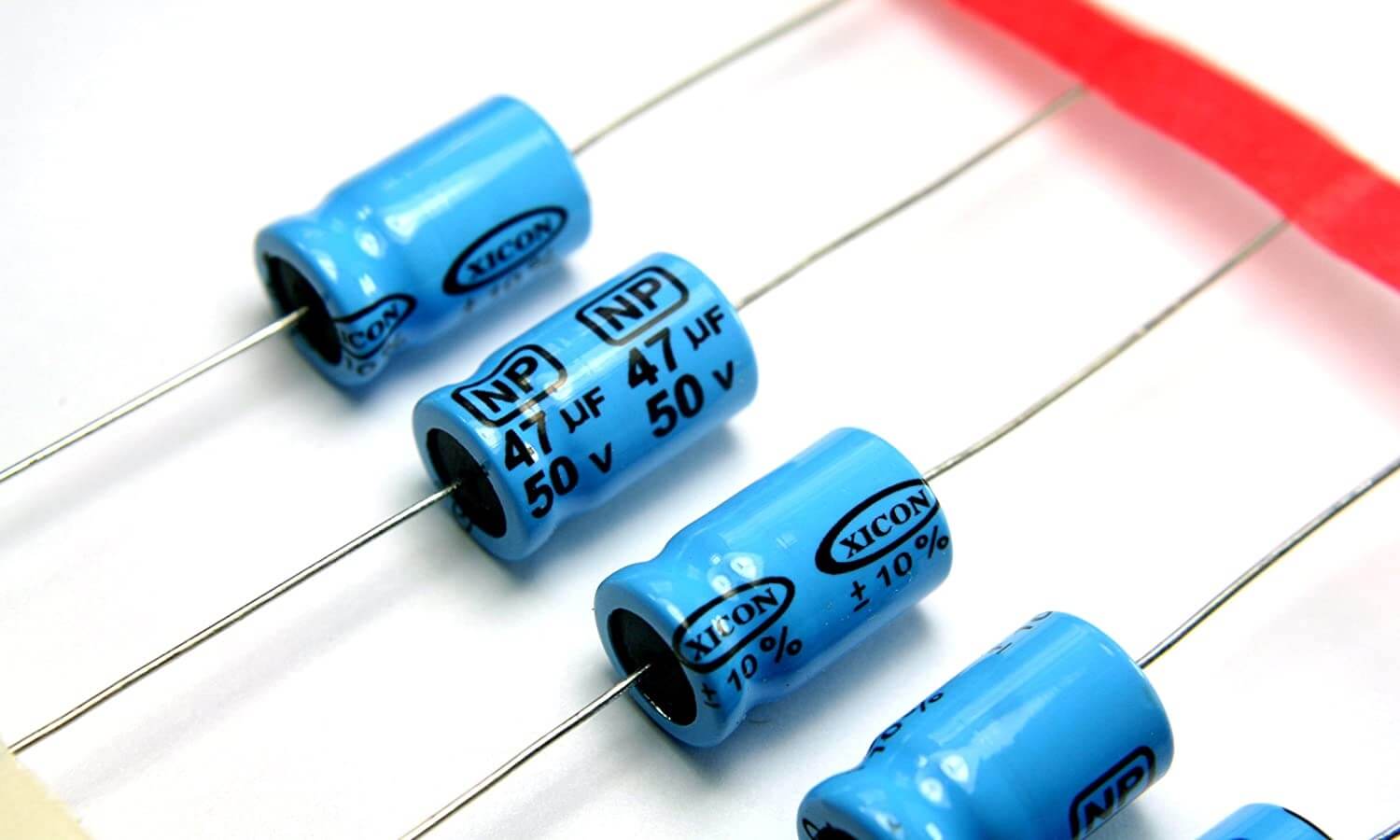
Non-Polarized Capacitors A capacitor is a small but very useful part used in many electrical and electronic devices. It has two ends (or terminals) and its main job is to store energy in the form of electricity. Think of it like a tiny battery that can charge and discharge quickly. Capacitors come in different shapes, … Read more

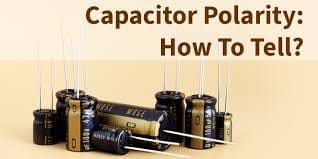
what is A capacitor polarity?: Principles, types & useful important facts

capacitor polarity

Introduction Capacitors are small parts used in electronic devices. They help store energy and manage how electricity flows. Think of a capacitor like a tiny battery that charges and discharges quickly. In many circuits, they are used to clean up signals, reduce sudden changes in power, and give a quick boost of energy when needed. … Read more

what Are Fan Capacitors?: circuit, working, types, useful important facts

Fan Capacitor

Fan Capacitors Electric fans are all around us. We use them in our homes, offices, factories, and even inside cars, trains, and computers. They help move air to keep us cool or to keep machines from overheating. Depending on how they get power, electric fans are mainly divided into three types: AC fans, DC fans, and AC/DC fans. … Read more

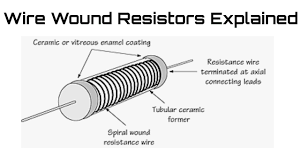
what is wirewound resistors: Definition, types, useful important facts

Wirewound Resistors:

What is a Wirewound Resistors? A wirewound resistors is a small, strong part used in electrical circuits. Its main job is to control the flow of electric current -kind of like a traffic signal for electricity. Inside this resistor, there is a thin metal wire. This wire is wrapped around a solid core made of … Read more

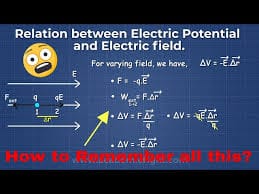
relation between electric field and potential, useful important facts

relation between electric field and potential

relation between electric field and potential What is an Electric Field? Imagine a charged object, like a balloon rubbed on your hair. Around it, something invisible forms — a kind of invisible space where other charges can feel a push or a pull. That invisible space is called an electric field. It’s like the area … Read more

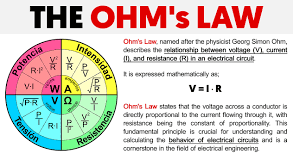
what is state ohm law class10? exam useful important facts

State Ohm law

What is Ohm’s Law? State Ohm law Ohm’s Law helps us understand how electricity moves through wires and other materials. It shows the connection between three important things: Voltage (V), Current (I), and Resistance (R). A long time ago, a scientist from Germany named Georg Simon Ohm discovered this simple but powerful rule. He found … Read more

Kirchhoff Law Class 12th KCL & KVL exam useful important facts

Kirchhoff Law Class 12

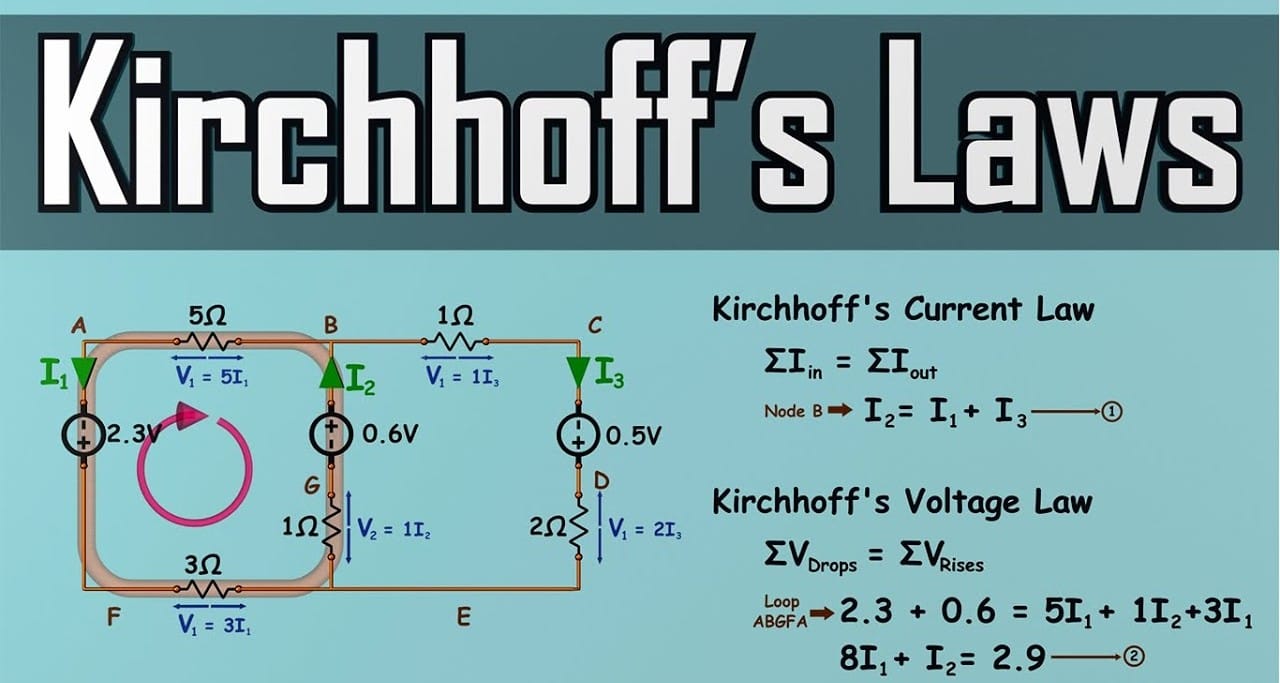
Kirchhoff Law Class 12 Kirchhoff gave two laws to solve complex circuits, namely ; Kirchhoff Current Law ( KCL ) or Kirchhoff First Law Kirchhoff Current Law is a basic and very important rule in electricity. It helps us understand how electric current flows in a circuit. This law is about junctions in an electrical … Read more

what is Heating Effect of Electric Current: exam useful important facts

what is Heating Effect of Electric Current

what is Heating Effect of Electric Current When electricity flows through a wire or any other material, it produces heat. This is called the heating effect of electric current. Imagine tiny particles, called electrons, moving through the wire. As they move, they bump into other particles inside the wire. These bumps or collisions make the … Read more