GI Earthing vs Copper Earthing: Difference, Comparison, Pros & Best Choice

GI Earthing vs Copper Earthing.

GI Earthing vs Copper Earthing: The main difference is that GI earthing (Galvanized Iron) is a low-cost option but prone to corrosion with medium conductivity, while constant Copper earthing provides very high conductivity, long lifespan, and stable low resistance. GI earthing is ideal for homes and small loads, whereas Copper earthing is recommended for industries, … Read more
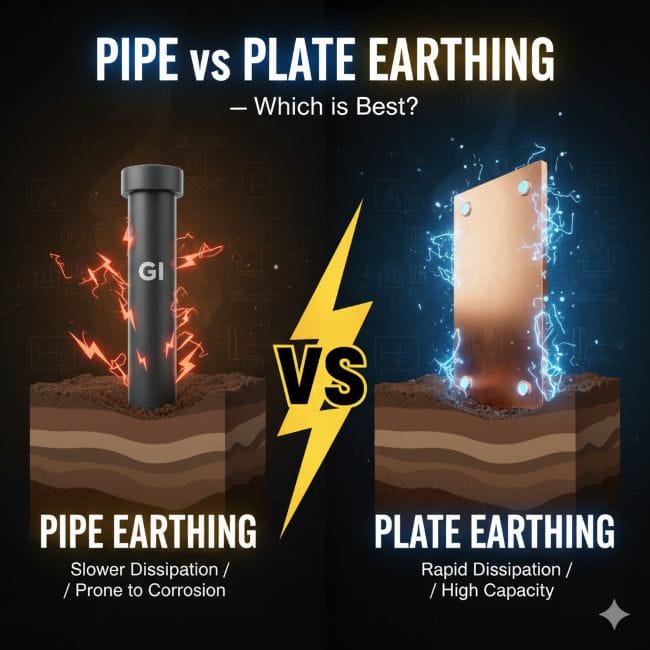
Pipe Earthing vs Plate Earthing: Best Earthing Method Explained with Real Facts

Pipe Earthing vs Plate Earthing

Pipe Earthing vs Plate Earthing: The main difference is that Pipe Earthing uses a vertical G.I. pipe and is low-cost, suitable for homes and small loads, while Plate Earthing uses a Copper or G.I. plate at a deeper depth, offering very low resistance and long life for heavy loads. Pipe earthing is ideal for domestic … Read more

How to Measure Earth Resistance at Home – Practical Step-by-Step Guide

How to Measure Earth Resistance

How to Measure Earth Resistance? To measure earth resistance at home, use the 3-point fall-of-potential method with main, current, and potential electrodes. Ensure rods are 3–4 meters deep, properly spaced, and the soil is moist or treated with bentonite. Accurate readings help maintain low-resistance earthing for safety and equipment protection. Why measure earth resistance at … Read more

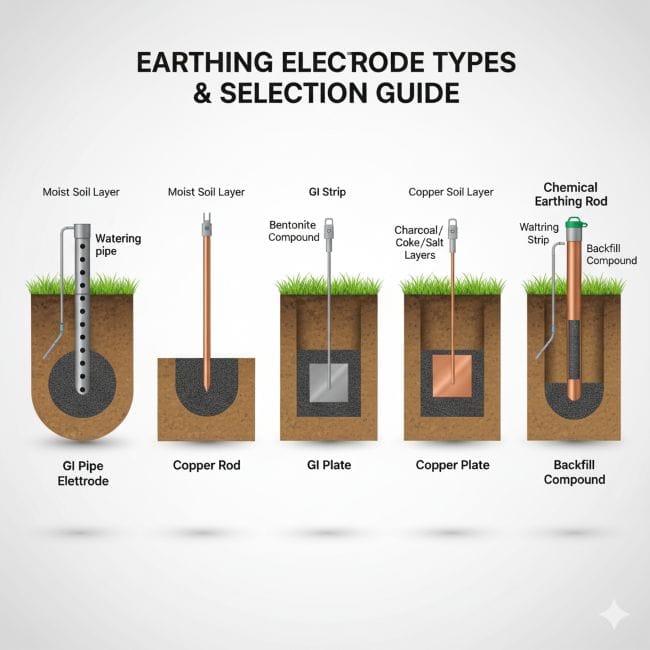
Earthing Electrode Types & Selection Guide – GI, Copper, Chemical & Practical Tips

Types of Earthing Electrodes with Practical Installation Tips

What are the types of earthing electrodes, and which one is best? Earthing electrodes include GI pipe, Copper pipe, GI plate, Copper plate, Chemical (copper-bonded) rod, and GI/Copper strips.The best electrode depends on soil type and load: For long-lasting and low-resistance earthing, use chemical or copper electrodes, maintain 10–12 ft depth, apply bentonite compound, test … Read more

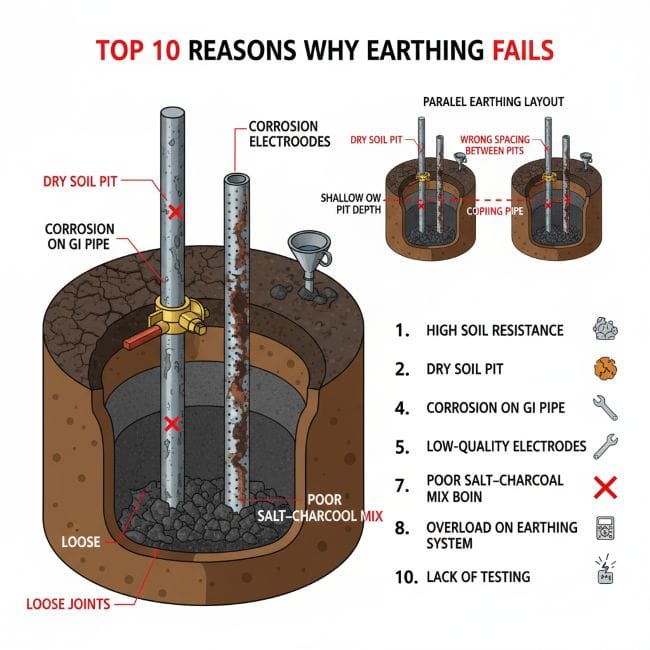
Why Earthing Fails? 10 Real Reasons, Practical Solutions & Safety Guide

Technical diagram showing the top reasons why earthing fails and practical solutions such as bentonite, deep pits, corrosion-free electrodes, and proper testing

Why Earthing Fails? Earthing failures mainly occur due to high soil resistance, poor-quality materials, dry pits, corrosion, loose joints, incorrect pit depth, and a lack of testing. To prevent earthing failure, use high-grade electrodes, maintain moisture, apply a bentonite compound, ensure a proper pit distance, perform seasonal testing, and utilize parallel multiple earthing pits to … Read more

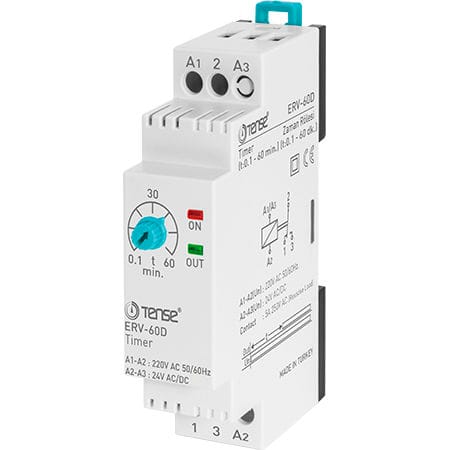
Electronic Timer – Working Principle, Types, Circuit, Advantages, and Applications

Electronic Timer

What is an Electronic Timer? An Electronic Timer is a device that uses an electronic circuit to generate a time delay.It is generally of the ON-Delay type, meaning that after receiving an input signal, the output becomes active after a certain delay period. How many types of Electronic Timers? There are five main types of … Read more

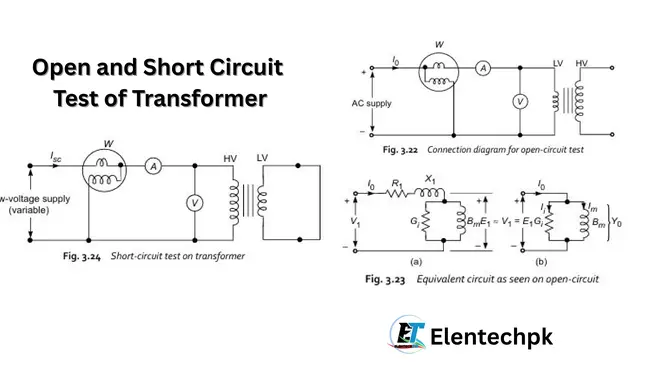
Open and Short Circuit Test of Transformer

Open and Short Circuit Test of Transformer

Introduction. A transformer is considered the backbone of the power system. It helps transfer electricity safely and efficiently from one voltage level to another. But before any transformer is commissioned in a real power network, certain standard tests are carried out to check its safety and efficiency. These open and short circuit test of transformer, … Read more

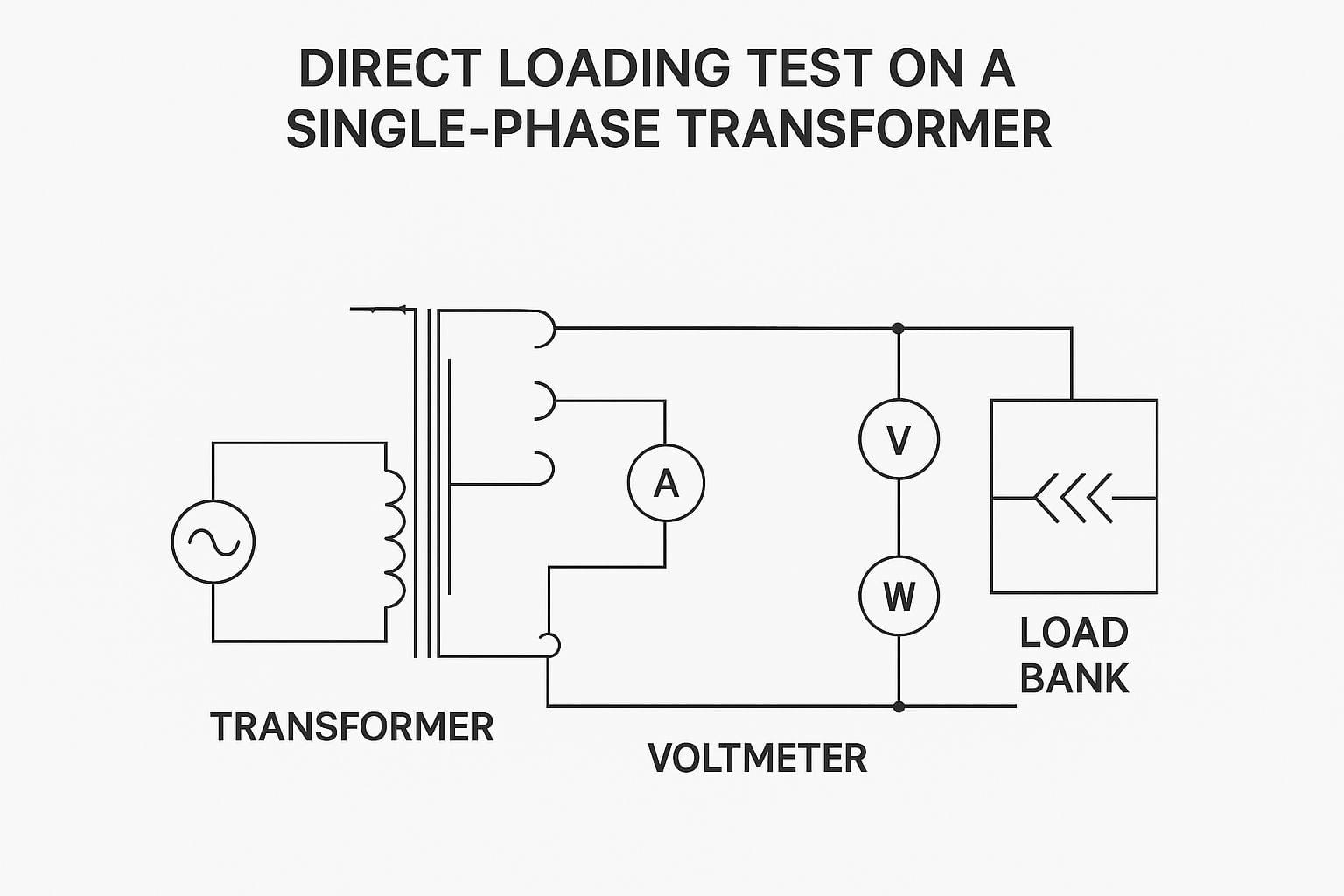
Direct Loading Test on a Transformer: Circuit Diagram, Procedure, Calculation, Advantages, Disadvantages

Direct Loading Test on a transformer

Introduction Transformers are essential electrical machines that require proper testing to ensure reliable operation, efficiency, and safety. Several testing methods are used to analyze transformer performance, such as: 2. Importance of Direct Loading Test on a Transformer Performance Evaluation The Direct Loading Test on a transformer holds special significance because: This test directly measures input … Read more

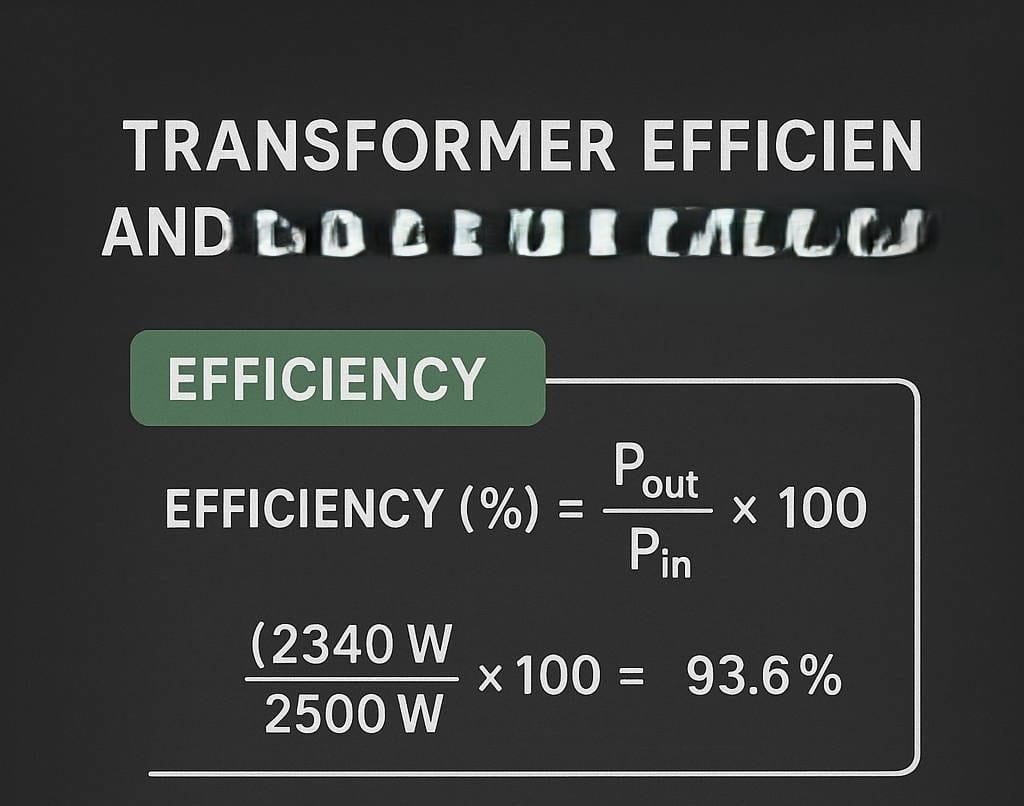
losses and efficiency in transformer: Core, Copper, Iron, with Efficiency Formula

losses and efficiency in transformer

Introduction A transformer is one of the most vital electrical machines used in power systems. Its primary role is to step up or step down voltage levels, making power transfer more reliable and economical. Transformers ensure smooth and efficient power transmission from generating stations to end users, reducing waste and maintaining system stability. The transformer’s performance … Read more

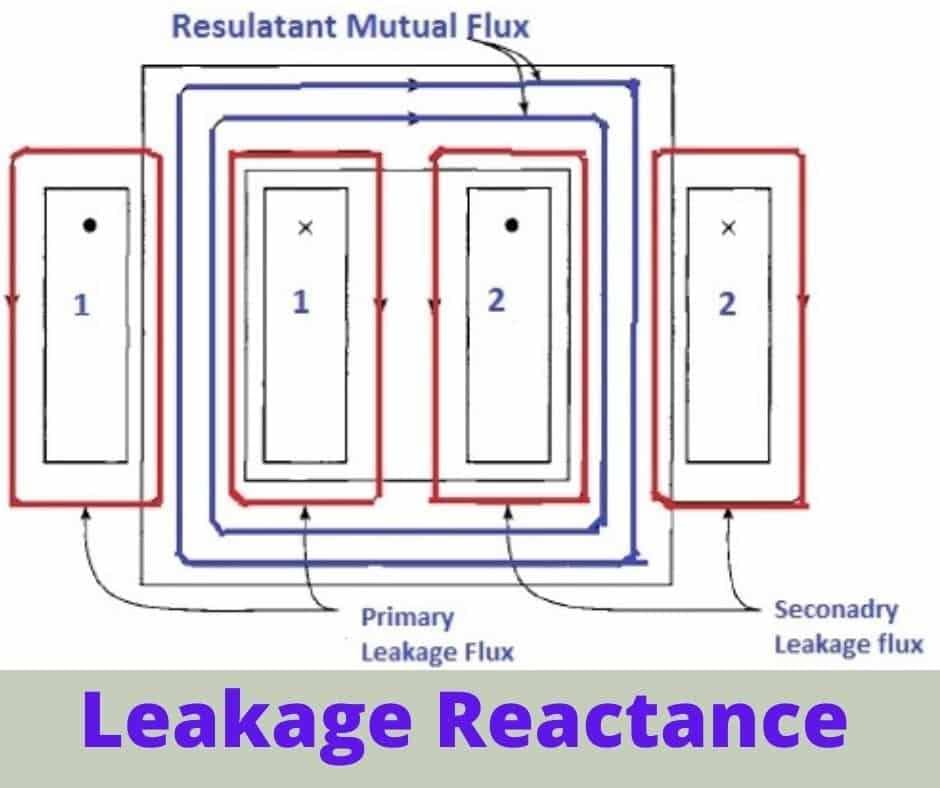
Leakage Reactance in Transformer: Formula, Factors, Impact, Measurement

Leakage Reactance in Transformer

1. Introduction A transformer is a key device in electrical power systems. It moves electrical energy from one circuit to another using electromagnetic induction. In an ideal world, transformers would work perfectly with no losses or voltage drops. But in real life, they have limits. One important factor is leakage reactance. This affects how well … Read more