
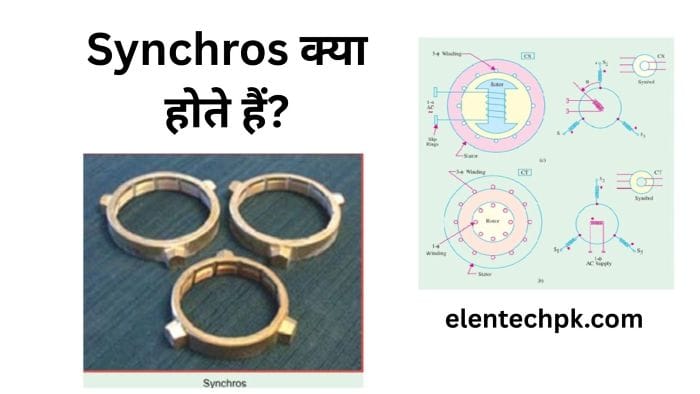
Synchros क्या होते हैं? Synchros किसे कहते हैं?
Synchros एक general term है जो self-synchronizing machines के लिए use होती है। जब इन्हें electrically energize किया जाता है और आपस में electrically connect किया जाता है, तो ये ऐसा torque produce करते हैं जिससे दो अलग-अलग mechanical shafts या तो synchronism में rotate करते हैं या एक shaft दूसरे shaft की position को follow करती है। इन्हें selsyns और autosyns के नाम से भी जाना जाता है।
Thank you for reading this post, don't forget to subscribe!सिंक्रोज़ का Construction
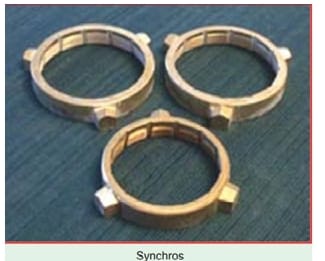
Synchros वास्तव में छोटे cylindrical motors होते हैं जिनका diameter लगभग 1.5 cm से 10 cm तक होता है, जो उनके power output पर depend करता है। ये low torque devices होते हैं और mainly control systems में use किए जाते हैं।
Synchros का मुख्य उपयोग shaft position information को transmit करने के लिए किया जाता है या दो या अधिक shafts को synchronism में चलाने के लिए किया जाता है। यानी अगर एक shaft किसी position पर है, तो दूसरा shaft भी उसी position को accurately follow करेगा।
Limitation
Synchros low torque devices होते हैं, इसलिए बड़े load applications जैसे robot arm को move या position करने के लिए ये suitable नहीं होते। ऐसे cases में high torque की जरूरत होती है, जिसके लिए servomotor का उपयोग किया जाता है।
Types of Synchros
Synchros के कई प्रकार होते हैं, लेकिन position और error-voltage applications के लिए मुख्य रूप से चार basic types use किए जाते हैं:
(i) Control Transmitter (CX) – इसे पहले generator कहा जाता था।
(ii) Control Receiver (CR) – इसे पहले motor कहा जाता था।
(iii) Control Transformer (CT)
(iv) Control Differential (CD)
Control Differential को आगे दो भागों में divide किया जाता है:
- Control Differential Transmitter (CDX)
- Control Differential Receiver (CDR)
इन सभी synchros में से ज्यादातर single-phase units होते हैं, जबकि control differential synchro three-phase construction का होता है।
Constructional Features
(a) Control Transmitter (CX)
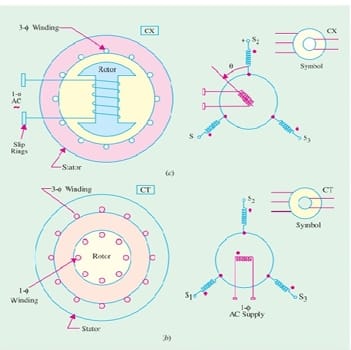
Control Transmitter का construction तीन-phase stator winding के साथ होता है, जो कि three-phase synchronous generator के समान होता है। इसका rotor projecting-pole type का होता है और dumbbell construction का बना होता है, जिसमें single-phase winding होती है। जब rotor पर slip rings के माध्यम से single-phase AC supply दी जाती है, तो rotor के axis के along alternating flux produced होता है।
यह alternating flux transformer action के कारण stator की तीनों windings में unbalanced single-phase voltages induce करता है। यदि rotor stator winding 2 के axis के साथ align हो जाता है, तो उस winding में flux linkage maximum होता है और इस position को electrical zero कहा जाता है। जब rotor इस electrical zero position से किसी angle पर rotate होता है, तो तीनों stator windings में अलग-अलग magnitude के voltages induced होते हैं, जो 120° apart होते हैं।
(b) Control Receiver (CR)
Control Receiver का construction लगभग control transmitter जैसा ही होता है। इसमें भी तीन stator windings और single-phase salient-pole rotor होता है। लेकिन CX के विपरीत, CR में shaft पर mechanical viscous damper लगाया जाता है, जो rotor को बिना overshoot किए सही position पर settle होने में मदद करता है। इसके normal operation में rotor और stator दोनों windings में single-phase current दिया जाता है। जब rotor field और stator field आपस में interact करते हैं, तो torque develop होता है, जिससे rotor rotate करता है और desired position को follow करता है।
(c) Control Transformer (CT)
Control Transformer में stator पर three-phase winding होती है जबकि इसका rotor cylindrical type का होता है और उसमें single-phase winding होती है। इस case में electrical zero उस rotor position को कहा जाता है जहाँ stator की winding 2 के साथ flux linkage zero हो जाता है। यह rotor position control transmitter से अलग होती है।
(d) Control Differential (CD)
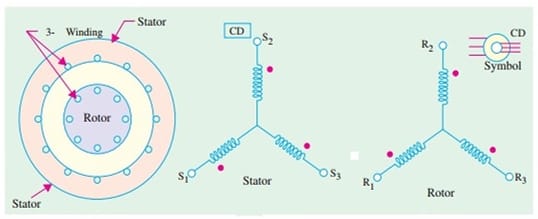
Control Differential synchro में stator और rotor दोनों में balanced three-phase distributed winding होती है और इसका rotor cylindrical type का होता है। हालांकि इसमें three-phase windings होते हैं, लेकिन यह केवल single-phase voltages के साथ काम करता है। इसमें जो तीन voltages होते हैं, वे polyphase नहीं होते, बल्कि उनकी magnitudes अलग-अलग होते हैं और यह difference उनकी physical orientation के कारण होता है। Normally तीनों voltages 120° phase apart नहीं होते, बल्कि एक ही phase में होते हैं लेकिन उनकी magnitude अलग होती है।
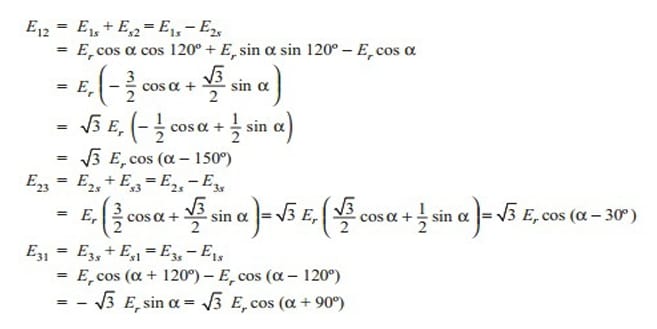
Control Transmitter में Induced EMF Equations
Control transmitter में rotor winding को single-phase sinusoidal AC voltage Er (rms value) से excite किया जाता है और rotor को electrical zero से किसी angle α पर fix रखा जाता है।
यदि K=rotor turnsstator turns, तो stator winding में induced emf:E=KEr
अगर K=1 मान लें, तो:E=Er
Stator Windings में Induced EMF
Winding 2 (Reference winding): E2s=Ercosα
Winding 1 (120° ahead):E1s=Ercos(α−120∘)
Winding 3 (120° पीछे):E3s=Ercos(α+120∘)
इस प्रकार तीनों stator windings में induced voltages rotor के angle α पर depend करते हैं और उनकी magnitude अलग-अलग होती है, लेकिन ये सभी same frequency के होते हैं।
Applications of Synchros
Synchros का उपयोग servomechanisms में बहुत ज्यादा किया जाता है, जैसे torque transmission, error detection और rotary angles को add या subtract करने के लिए।
(a) Torque Transmission
Synchros का उपयोग बिना किसी rigid mechanical connection के long distance पर torque transmit करने के लिए किया जाता है। इस arrangement में एक control transmitter (CX) और एक control receiver (CR) होते हैं, जहाँ CR एक torque receiver की तरह काम करता है। जब CX rotor को किसी angle α से घुमाया जाता है, तो CR भी उसी angle α से rotate करता है। दोनों synchros के stator windings आपस में connected होते हैं और उनके rotors को same single-phase AC supply दी जाती है।
Working
मान लीजिए CX का rotor angle α से displaced है और switch SW1 को close करके rotor winding को energize किया जाता है। Rotor flux के कारण CX stator windings में unbalanced single-phase voltages induce होते हैं, जो CR stator windings में current flow कराते हैं। यह current CR stator में flux field बनाता है, जिसका axis angle α पर fix होता है।
अब जब SW2 close करके CR rotor को energize किया जाता है, तो उसका flux stator flux के साथ interact करता है और torque produce करता है। यह torque CR rotor को घुमाकर उसी position पर ले आती है जिस पर CX rotor है, यानी दोनों का displacement angle α समान हो जाता है।
जब दोनों rotors same relative position में आ जाते हैं, तब दोनों synchros के stator voltages equal और opposite हो जाते हैं, जिससे stator current zero हो जाता है और torque भी zero हो जाता है। इस स्थिति को equilibrium कहते हैं।
अगर transmitter rotor का angle बदलता है, तो stator voltages फिर से change होते हैं, जिससे currents flow करते हैं और CR rotor को नई position तक rotate कर देते हैं।
इसी कारण transmitter rotor को master और receiver rotor को slave कहा जाता है, क्योंकि receiver हमेशा transmitter को follow करता है। यह relationship reversible भी होता है, यानी receiver rotor को घुमाने पर transmitter भी उसी angle से rotate हो सकता है।
(b) Error Detection
Synchros का उपयोग servo control system में error detection के लिए भी किया जाता है। इस case में CX (Control Transmitter) के rotor का mechanical displacement एक electrical voltage में convert हो जाता है, जो CT (Control Transformer) के rotor terminals पर मिलता है और आगे amplifier से amplify किया जा सकता है।
इस purpose के लिए एक CX synchro और एक CT synchro का उपयोग किया जाता है। इसमें केवल CX rotor को single-phase AC supply से energize किया जाता है, जिससे air-gap में alternating flux field बनती है। यह time-varying flux CX stator windings में voltages induce करता है।
ये stator voltages CT stator windings में magnetizing currents flow कराते हैं, जिससे CT के air-gap में भी alternating flux field बनती है। CT stator currents ऐसे होते हैं कि वे CX stator voltages के equal और opposite voltages produce करते हैं, जिससे resultant flux की direction CT rotor axis के साथ align हो जाती है।
अगर CT rotor electrical zero position पर fixed है, तो उसमें induced rms voltage होता है:E=Emaxsinα
जहाँ Emax maximum induced voltage है और α displacement angle है।
General case में, जब CX rotor का displacement αx और CT rotor का displacement αT हो, तो induced voltage होगा:E=Emaxsin(αx−αT)
यह voltage ही error signal होता है, जो बताता है कि actual position और desired position में कितना अंतर है। यही signal आगे servo system में correction के लिए उपयोग किया जाता है।
Conclusion
Synchros क्या होते हैं और Types of Synchros को समझना हर उस व्यक्ति के लिए जरूरी है जो control systems और automation field में काम करता है। Synchros एक highly accurate device है जो angular position को electrical signals में convert करके systems को precise control प्रदान करता है। Types of Synchros जैसे Synchro Transmitter, Receiver, Control Transformer और Differential Synchro मिलकर complex systems को smooth और efficient बनाते हैं। इसलिए Synchros का knowledge आपको servo systems और modern automation technology को बेहतर तरीके से समझने में मदद करता है।
FAQ
Synchros क्या होते हैं?
Synchros electromechanical devices होते हैं जो angular position को electrical signals में convert करते हैं।
Synchros का use कहाँ होता है?
Synchros का उपयोग aircraft, radar, servo motors और automation systems में किया जाता है।
Synchro Transmitter और Receiver में क्या difference है?
Transmitter input angle को signal में convert करता है, जबकि Receiver उस signal के अनुसार position दिखाता है
Synchros क्यों important हैं?
क्योंकि ये high accuracy के साथ position control और feedback प्रदान करते हैं।